-
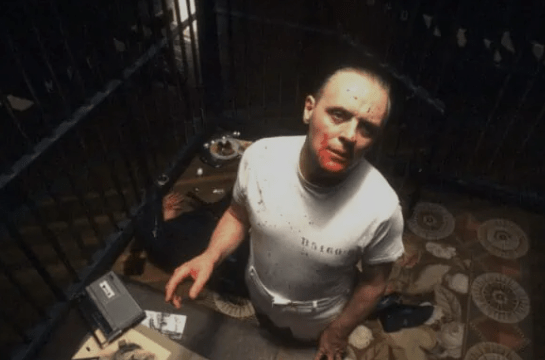
Bearing in mind he’s a cannibalistic serial killer, why is the character of Hannibal Lecter in the film adaptation of ‘Silence of the Lambs’ (based on Thomas Harris’s novel of the same name) not only compelling, but also likeable? More generally, what can portrayals of fictional characters tell us about the real world? Commentators cite
-
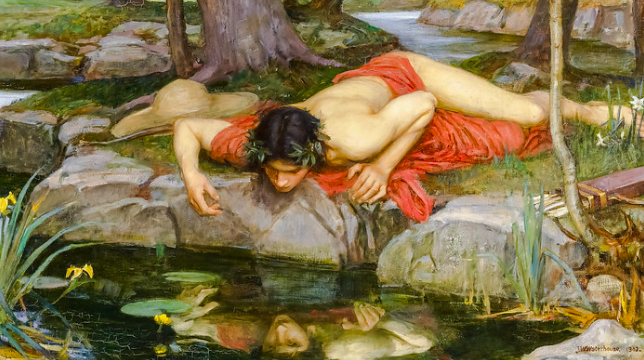
There’s an advert I see regularly on the London underground that makes a voice in my head say ‘no.’ It’s for a company that makes personalised children’s books, with the customer choosing the name and physical appearance of the story’s main character. The pitch is that the recipient of the gift sees themselves as a
-

I wrote a passage in my novel, realised it didn’t fit and turned it into a short story. To raise my profile, I entered it in competitions, including one in rural England where entrants read their work to an audience comprised mainly of fellow competitors. Arriving straight from the airport with a backpack and suitcase
-
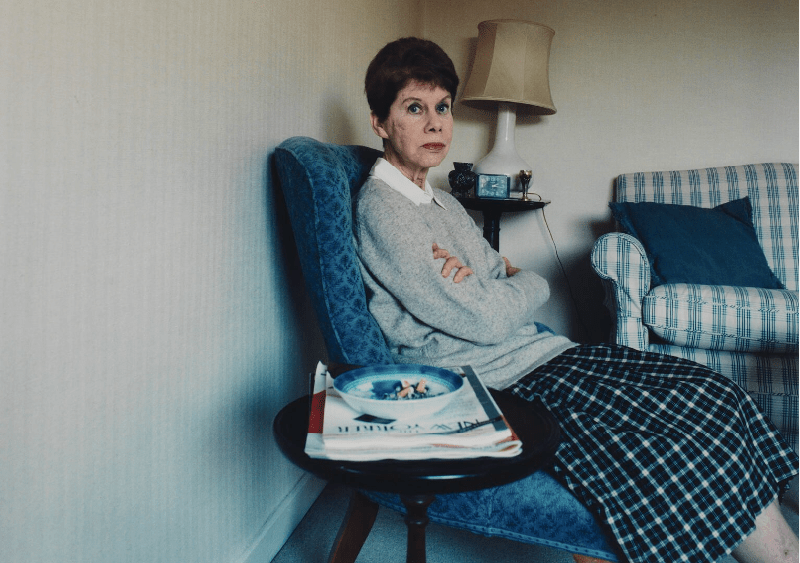
“People feel at home with low moral standards.” That’s a quotation from Hotel du Lac, a 1984 novel by Anita Brookner, an author whose works feature kind and gentle protagonists losing out on life’s prizes to bolder and more morally questionable characters. Thematically, her writing is like Kazuo Ishiguro’s in that it portrays characters who
-

When things go wrong, I assign primary blame to myself or to others. Whichever I choose, I have an object for my frustration. Blaming myself, I can self-motivate to create conditions for future success. Blaming others, I can strategise their comeuppance. There’s even comfort in distributing blame and doing nothing about it. “I could have
-
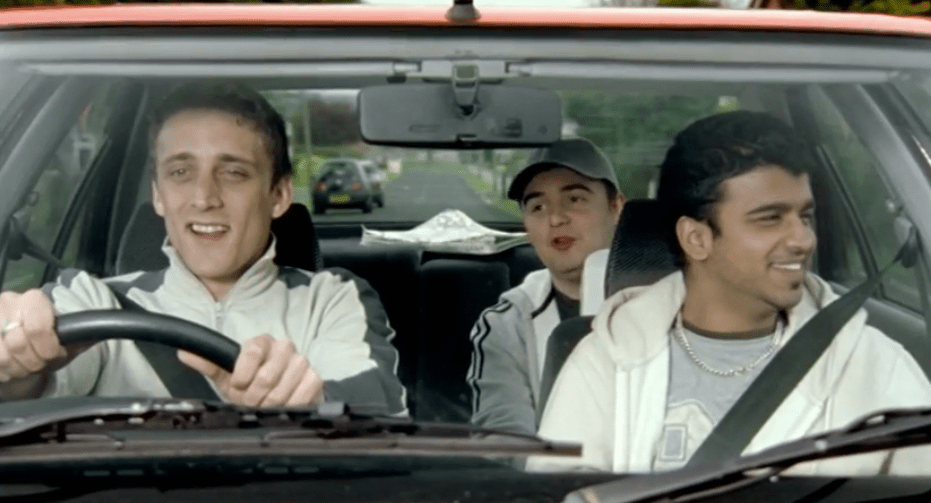
Have you noticed how British road safety campaigns have changed in recent years? How the UK they depict is bright and colourful, with people who look energetic and cheerful, compared with the older ones that showed people with more natural expressions, in a greyer, drearier Britain? Maybe, like me, you find the new road safety
-

Nonce, as in a sexual deviant, is a word that I thought of as a relatively recent invention. It’s often used to refer to paedophiles, but I’ve seen it used in connection with incidents of bestiality too. I was surprised to see the word in Russian American writer Vladimir Nabokov’s 1962 novel Pale Fire, in
-
Subscribe
Subscribed
Already have a WordPress.com account? Log in now.
 Harry Dobbs