literature
-

In the Afterword to Henry Gee’s recently published The Decline and Fall of the Human Empire, Gee thanks his agent for “suggesting that such a depressing topic really ought to have a Hollywood ending”. The “depressing topic” he writes about is mankind’s extinction. Most of the book covers arguments for this outcome to our story.
-

There was news this month about Canterbury University axing English literature degrees from 2025. According to the BBC, Canterbury said that it “…constantly evaluated the subjects it offered to ensure it was able to meet the needs of future students and employers.” The mention of employers is interesting. I learned this month as well that
-
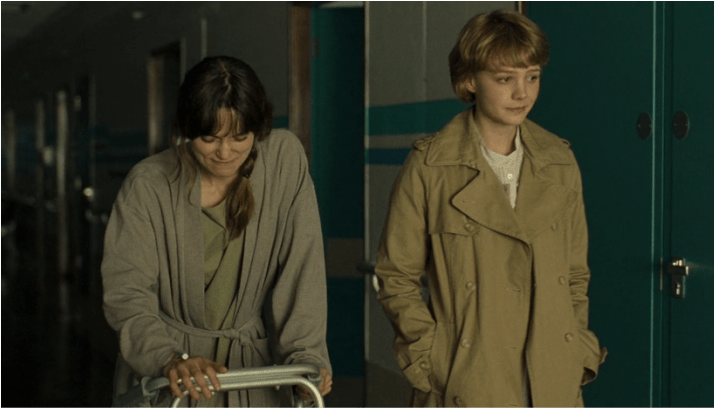
I think most people, given the choice, would prefer to have their lives celebrated, rather than tolerated. “The way you live is fantastic” sounds more validating than “I respect your right to exist”, though I’m happy enough with the latter. Perhaps I have low expectations of others. There’s a minor episode in British politics relating
-
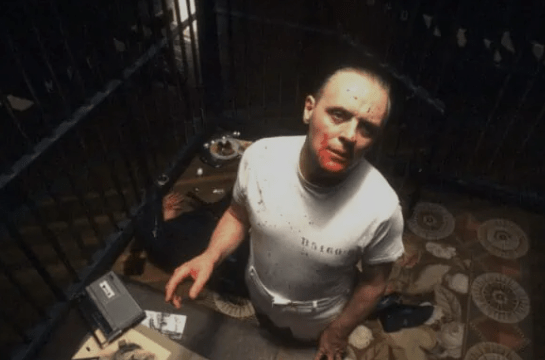
Bearing in mind he’s a cannibalistic serial killer, why is the character of Hannibal Lecter in the film adaptation of ‘Silence of the Lambs’ (based on Thomas Harris’s novel of the same name) not only compelling, but also likeable? More generally, what can portrayals of fictional characters tell us about the real world? Commentators cite
-

I wrote a passage in my novel, realised it didn’t fit and turned it into a short story. To raise my profile, I entered it in competitions, including one in rural England where entrants read their work to an audience comprised mainly of fellow competitors. Arriving straight from the airport with a backpack and suitcase
-
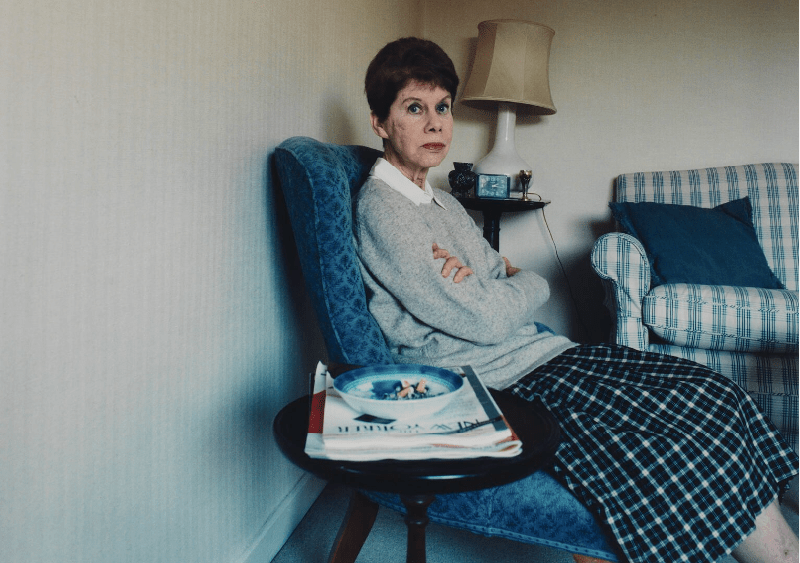
“People feel at home with low moral standards.” That’s a quotation from Hotel du Lac, a 1984 novel by Anita Brookner, an author whose works feature kind and gentle protagonists losing out on life’s prizes to bolder and more morally questionable characters. Thematically, her writing is like Kazuo Ishiguro’s in that it portrays characters who
-

Nonce, as in a sexual deviant, is a word that I thought of as a relatively recent invention. It’s often used to refer to paedophiles, but I’ve seen it used in connection with incidents of bestiality too. I was surprised to see the word in Russian American writer Vladimir Nabokov’s 1962 novel Pale Fire, in
 Harry Dobbs